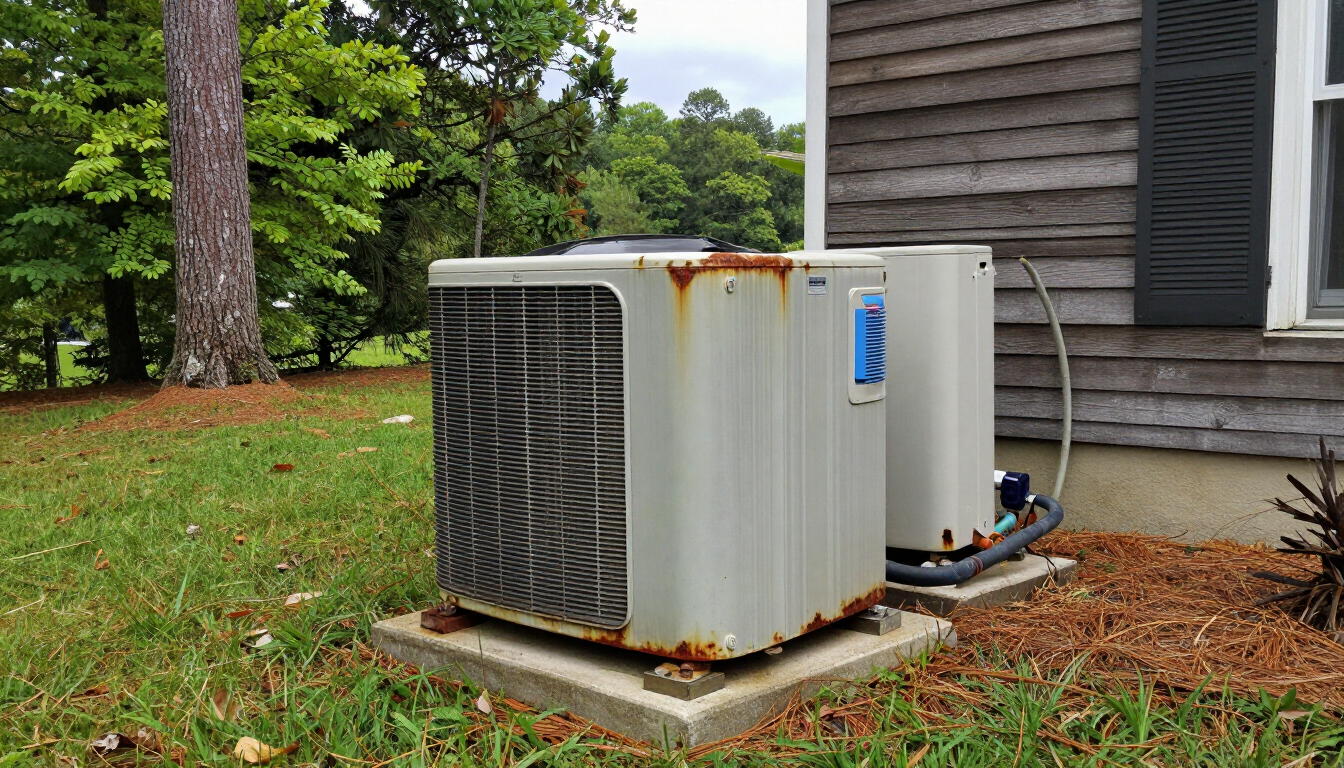
Your HVAC system does more than heat and cool your home. During the cooling process, an air conditioner also removes moisture from indoor air. That moisture collects inside the system and is typically carried away through a condensate drain line.
When this drain line becomes clogged or obstructed, water may begin to accumulate around the indoor equipment. Depending on the system and its safety controls, a blockage can also cause the air conditioner to shut down.
For homeowners in Jefferson City, Tennessee, understanding how the condensate drain works and recognizing early warning signs can help prevent avoidable water damage and unexpected cooling interruptions.
Ashton Britt Service Company helps homeowners with HVAC service and maintenance needs. Knowing what to look for can help you determine when it is time to have your system inspected.
1. Understand What an HVAC Condensate Drain Line Does
Air conditioning systems remove heat and humidity from indoor air. As warm air passes over the cold evaporator coil, moisture condenses on the coil's surface.
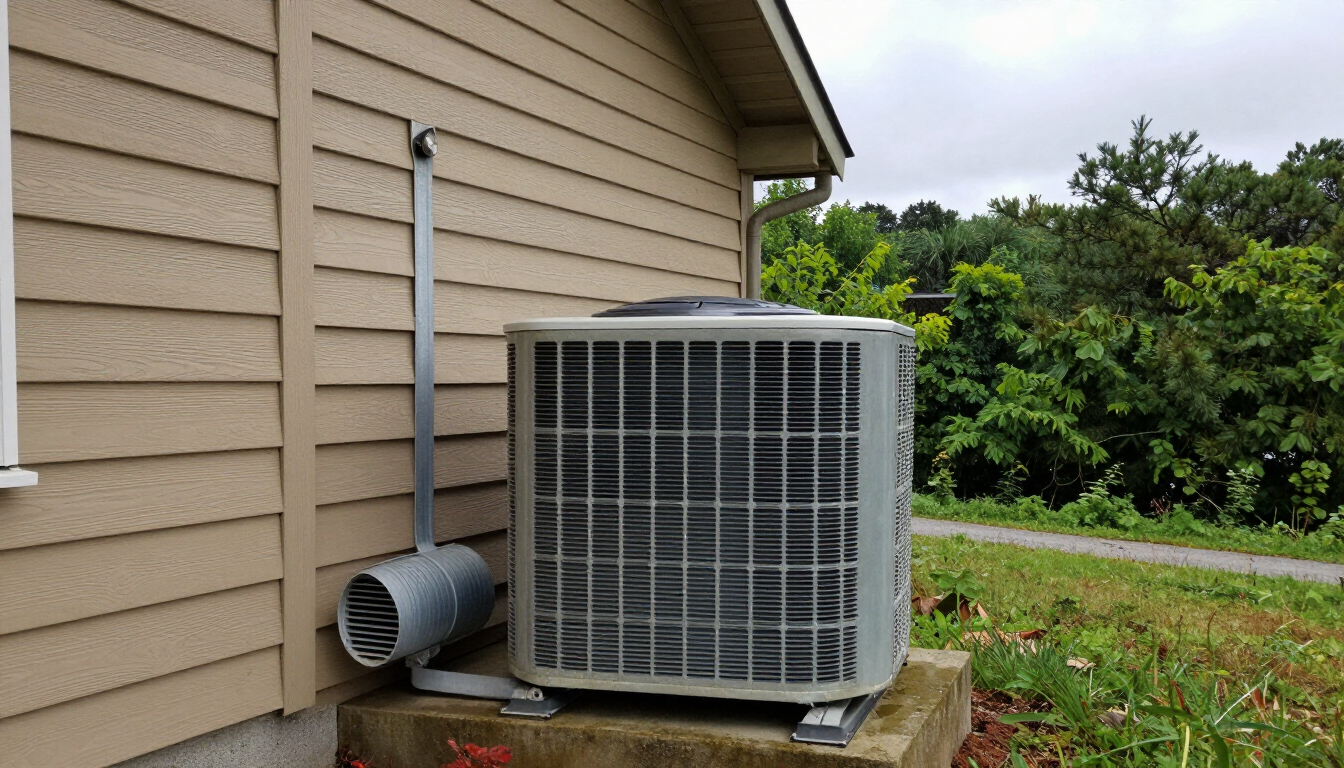
This water collects in a drain pan and flows through a condensate drain line to an appropriate discharge location.
The drainage system helps prevent collected moisture from overflowing into the surrounding area.
Although the drain line is a relatively small part of your HVAC system, it plays an important role in managing moisture during cooling operation.
2. Recognize the Warning Signs of a Clogged Condensate Drain
A blocked condensate drain line may cause several noticeable symptoms. Identifying these signs early can help you address the problem before it creates a larger mess.
Water Around the Indoor HVAC Unit
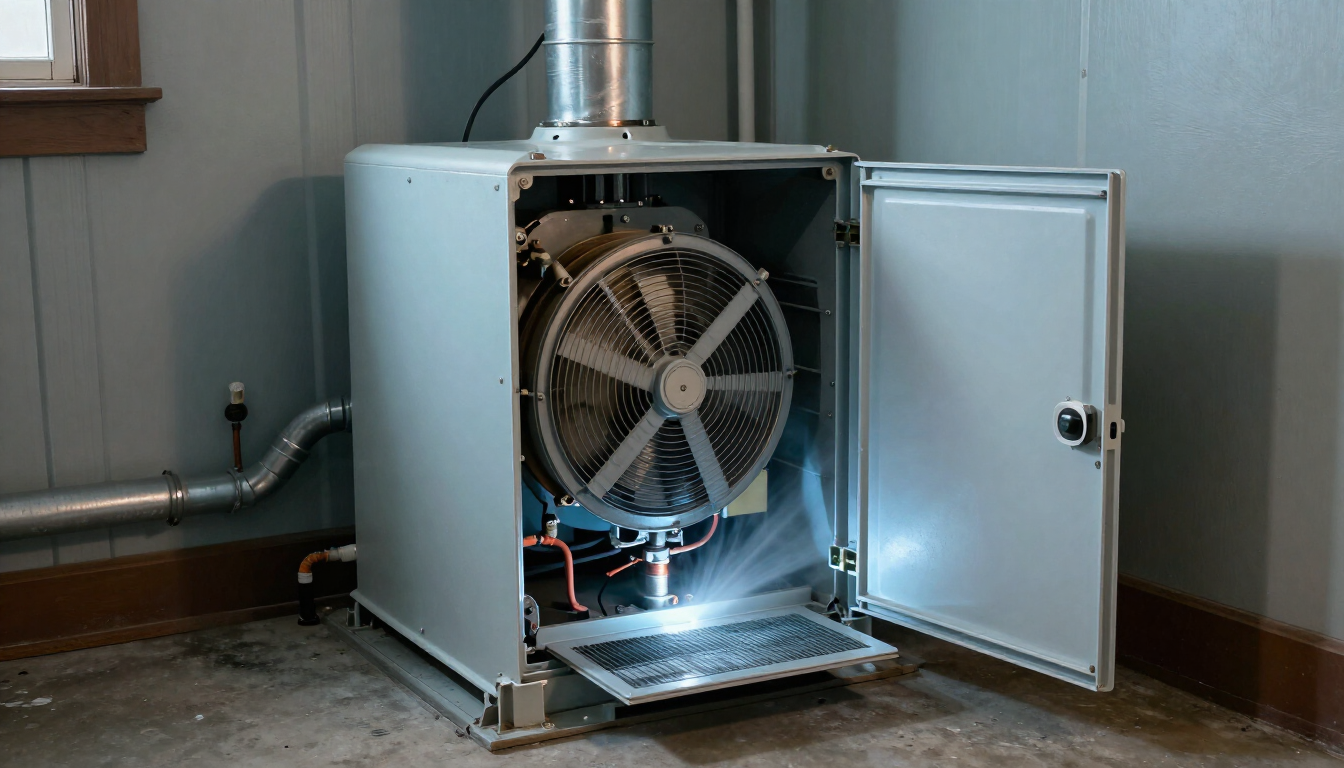
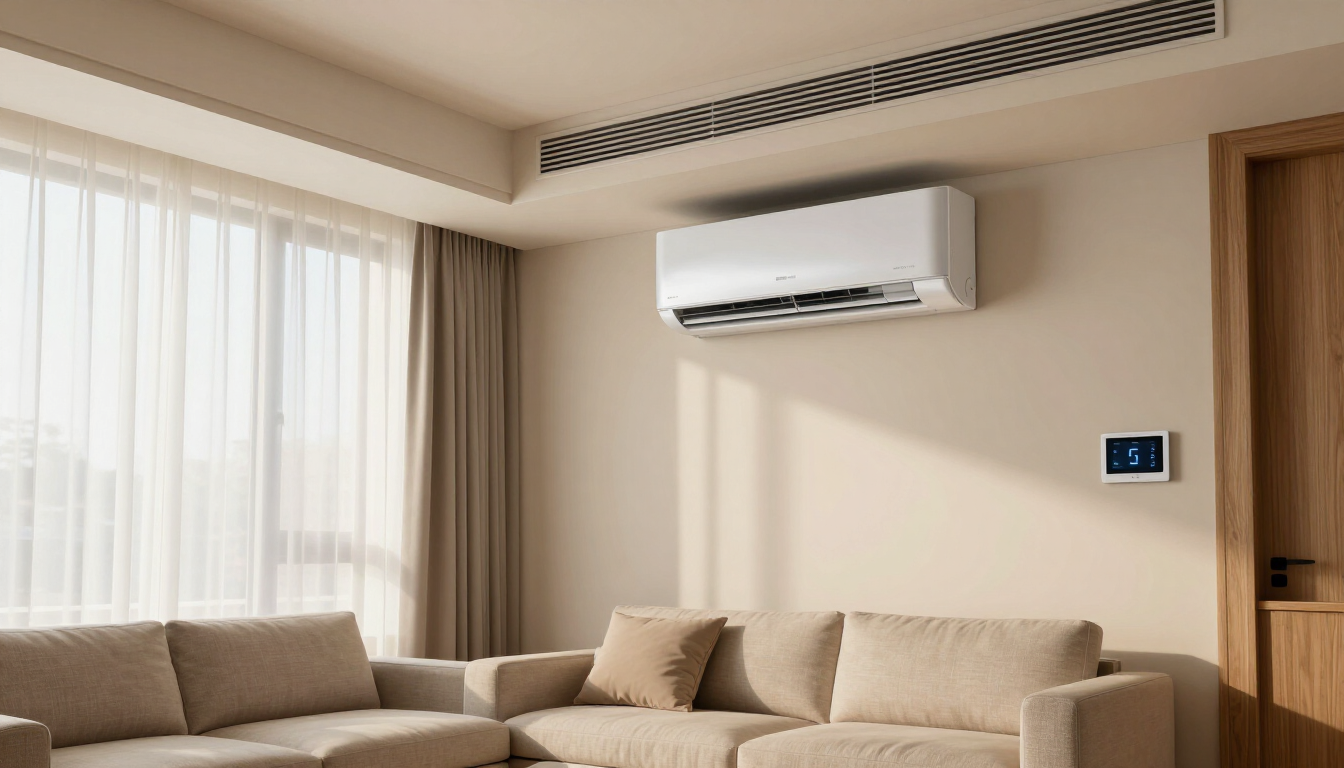
One of the most noticeable warning signs is water collecting near the indoor air handler or furnace cabinet.
A blocked drain line can prevent condensation from flowing away properly, allowing water to accumulate in the drain pan or overflow.
If you notice water near your equipment, avoid touching electrical components. Turn the system off if it is safe to do so and arrange a professional inspection.
Musty or Damp Odors
Standing water and persistent moisture around an HVAC system may contribute to unpleasant odors.
If a musty smell appears near the indoor unit or nearby vents, investigate the source rather than assuming it is simply a filter issue.
A technician can inspect the condensate drainage system and other possible sources of moisture.
The Air Conditioner Stops Running
Some HVAC systems include a float switch or other safety control designed to prevent water overflow.
When water rises beyond a certain level in the drain pan, the safety switch may interrupt system operation.
If your air conditioner suddenly stops working and you notice water around the indoor equipment, a condensate drainage issue may be one possible explanation.
Water Stains Near the Equipment
Recurring drainage problems may leave stains on nearby walls, ceilings, or flooring.
Pay attention to discoloration, damp spots, or peeling paint around the indoor HVAC system.
These signs should be investigated promptly because the source of the moisture may extend beyond the drain line itself.
3. Understand What Causes Condensate Drain Blockages
Condensate drain lines can become obstructed for several reasons. The conditions inside the system and the surrounding environment can influence how quickly buildup develops.
Common contributing factors include:
- Dirt and Dust: Particles that enter the HVAC system may contribute to residue accumulating in the drain pan and line.
- Algae and Biological Growth: Moist conditions inside the drainage system can encourage buildup that gradually restricts water flow.
- Debris: Small particles or material entering the drainage opening may contribute to an obstruction.
- Improper Drainage: An incorrectly installed or poorly sloped drain line may prevent water from flowing away as intended.
- Lack of Maintenance: Drain pans and lines that are not inspected periodically may develop problems that go unnoticed until water begins accumulating.
The exact cause should be identified before selecting a cleaning or repair method.
4. Why Condensate Drain Maintenance Matters
A properly functioning condensate drainage system helps manage the moisture removed during air conditioning operation.
When drainage becomes restricted, the consequences may extend beyond the drain line.
Helps Reduce the Risk of Water Overflow
Keeping the drainage system clear helps water move away from the indoor equipment as intended.
This can reduce the likelihood of an overflowing drain pan and moisture reaching nearby surfaces.
Supports Reliable Cooling Operation
If a safety switch shuts down the air conditioner because of accumulated water, cooling may be interrupted.
Routine inspection can help identify drainage concerns before they cause unexpected system interruptions.
Helps Identify Other Moisture Issues
An HVAC inspection may reveal problems beyond a clogged drain line, including drain pan damage, improper drainage, or other sources of moisture.
Addressing the underlying issue is important rather than repeatedly treating the visible symptoms.
5. What Should You Do If You Suspect a Clogged Drain Line?
If you notice water around your indoor HVAC equipment or suspect that the condensate drain is blocked, take a cautious approach.
Start with these steps:
- Observe the area: Look for visible water, damp flooring, stains, or unusual odors around the equipment.
- Check the thermostat: If the system has stopped operating, note any displayed error messages or unusual behavior.
- Turn off the system if necessary: If water is accumulating near the equipment, switch the system off if you can do so safely.
- Protect nearby belongings: Move items away from the affected area where practical.
- Arrange professional assistance: Have an HVAC technician inspect the drain line, drain pan, and related components.
Avoid opening electrical compartments or using tools to force an obstruction through the drain line. Improper cleaning methods can damage the drainage system or create additional problems.
6. How Professional HVAC Maintenance Helps
Condensate drainage is one of several areas that may be reviewed during HVAC maintenance.
A professional inspection can help determine whether the drain line is flowing properly and whether other components show signs of wear or damage.
Depending on the equipment and maintenance scope, service may include:
- Inspecting the condensate drain pan.
- Checking the drain line for visible obstructions.
- Evaluating drainage and discharge conditions.
- Checking accessible safety controls.
- Looking for signs of moisture around the indoor unit.
- Reviewing the system's general operating condition.
The appropriate maintenance process depends on the equipment design and the condition of the system.
Regular professional attention can help identify drainage issues before they develop into more disruptive problems.
7. When to Schedule an HVAC Inspection
Not every water-related symptom means the condensate drain is clogged. HVAC systems can experience other issues that produce similar warning signs.
Consider arranging an inspection if:
- Water repeatedly appears around the indoor unit.
- Your air conditioner shuts down unexpectedly.
- You notice persistent musty odors near the equipment.
- Water stains develop around the HVAC installation.
- You suspect the drain line is not discharging properly.
- The same drainage issue keeps returning after previous attention.
A qualified HVAC technician can identify the source of the problem and recommend an appropriate solution.
HVAC Maintenance in Jefferson City, TN
Your HVAC condensate drain line plays an important role in removing moisture during the cooling process. Although it may not receive much attention during everyday system operation, keeping it in good condition can help reduce the risk of water accumulation and unexpected cooling interruptions.
For homeowners in Jefferson City, TN, recognizing early warning signs and arranging professional maintenance can help keep HVAC concerns from becoming more disruptive.
Ashton Britt Service Company provides HVAC services to homeowners looking for professional assistance with their heating and cooling systems.
Concerned about water around your HVAC unit? Contact Ashton Britt Service Company to discuss your system's symptoms and arrange professional HVAC service.