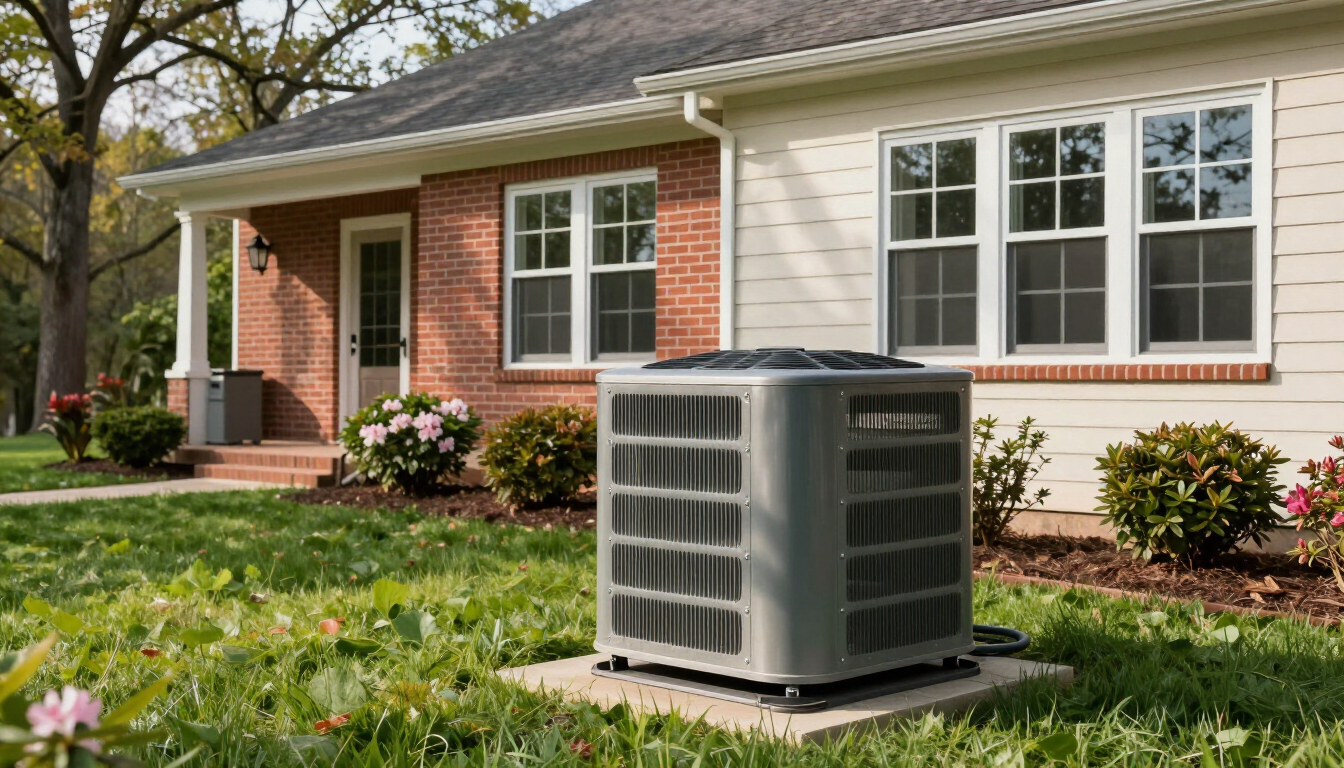
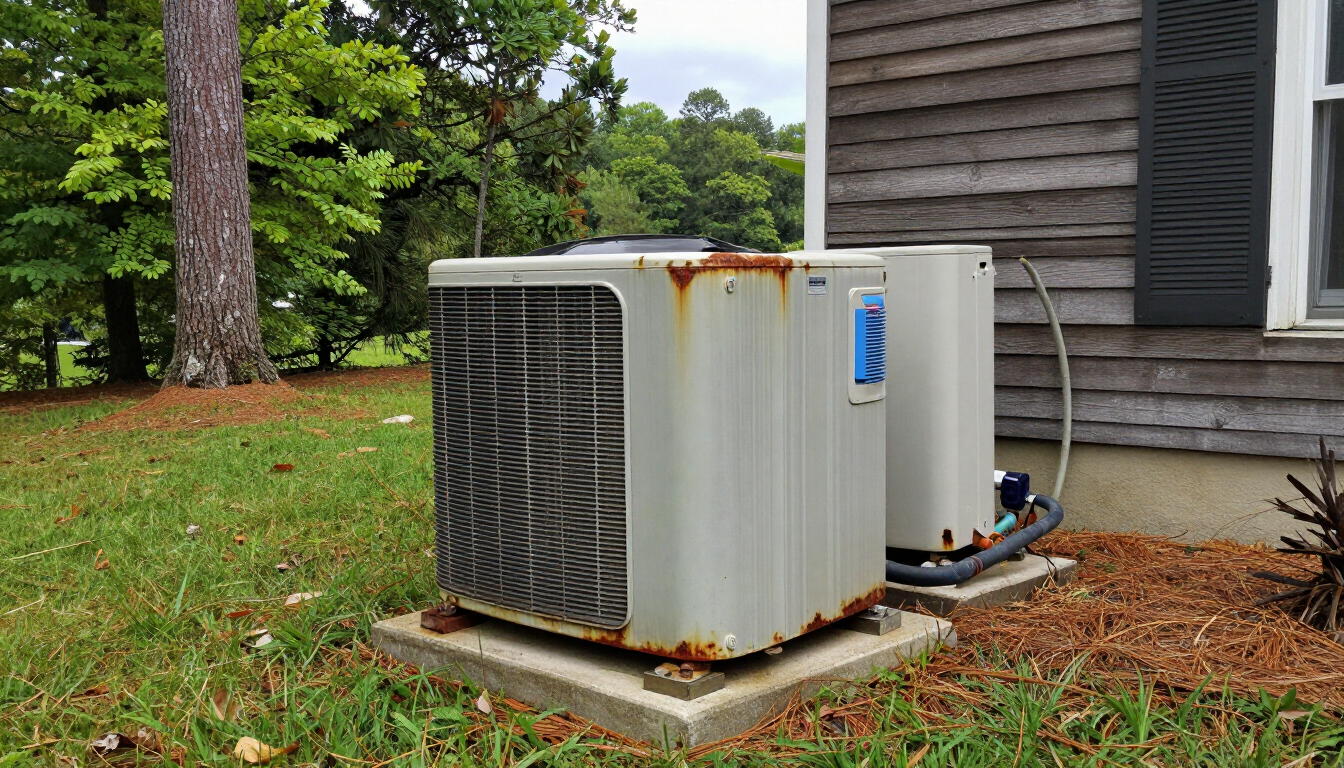
A comfortable home depends on more than the temperature displayed on your thermostat. Indoor humidity also affects how a room feels, how quickly moisture evaporates, and whether your home develops conditions that encourage condensation or musty odors.
For homeowners in Morristown, TN, humidity can be an important consideration during warm, humid weather and throughout seasonal transitions. If your home feels clammy even when the air conditioner is running, or the air seems unusually dry during colder months, your HVAC system and the home's ventilation may deserve a closer look.
Ashton Britt Service Company provides HVAC services for homeowners in the Morristown area. Understanding how humidity interacts with heating and cooling can help you recognize potential comfort problems and determine when professional service may be appropriate.
What Is Indoor Humidity?
Humidity refers to the amount of moisture in the air. One commonly used measurement is relative humidity, which describes how much moisture the air contains compared with the maximum amount it could hold at a given temperature.
Indoor humidity changes with outdoor weather, household activities, ventilation, air leakage, and HVAC operation.
Cooking, showering, drying clothes indoors, and other everyday activities introduce moisture into the home. If that moisture is not adequately managed, indoor humidity may rise.
Conversely, cold outdoor air can contain relatively little moisture. When that air enters a home and is heated, the relative humidity can fall, sometimes making the indoor environment feel dry.
There is no single humidity level that feels ideal to everyone in every building. Comfort depends on temperature, air movement, clothing, personal preferences, and the condition of the home.
1. High Humidity Can Make Your Home Feel Warmer
Have you ever set your thermostat to a comfortable temperature but still felt sticky or uncomfortable? Indoor humidity may be one factor.
When the air contains more moisture, sweat evaporates less readily from the skin. As a result, a room can feel warmer or more uncomfortable than the thermostat reading suggests.
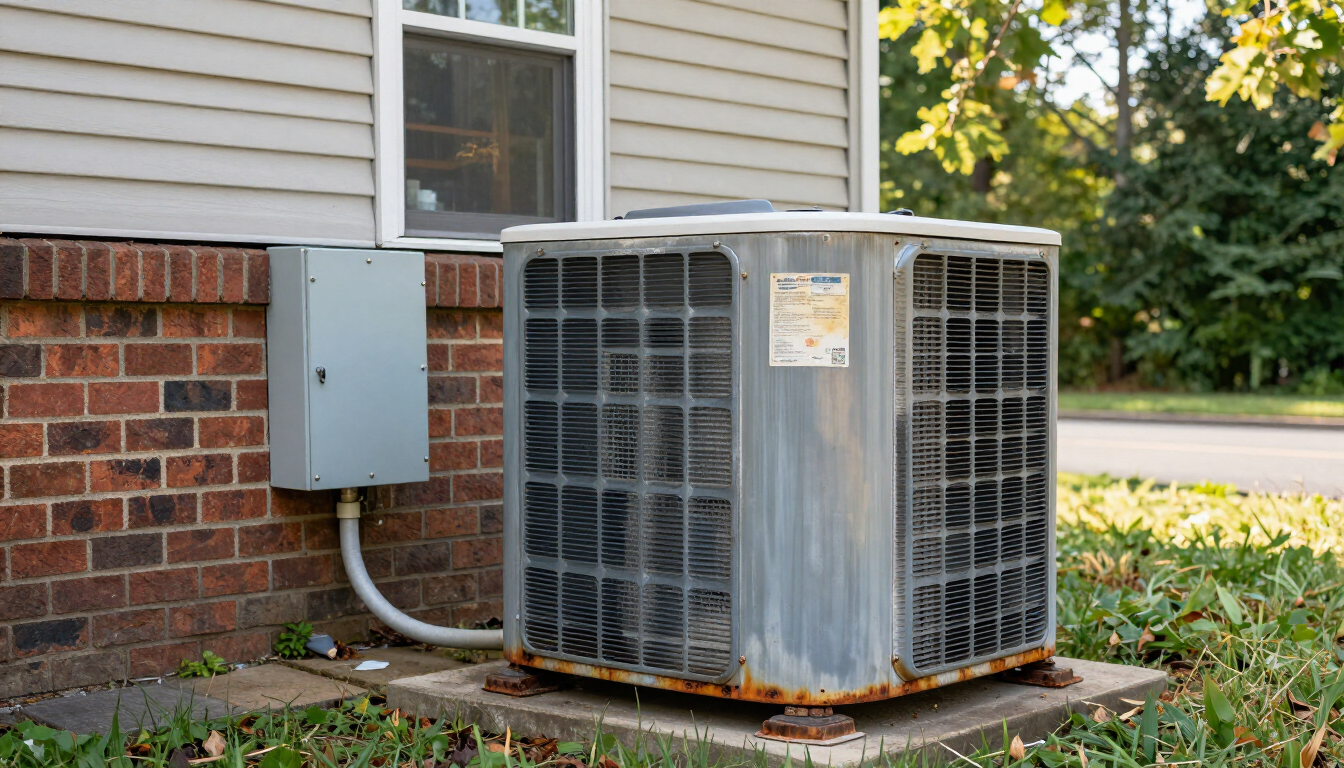
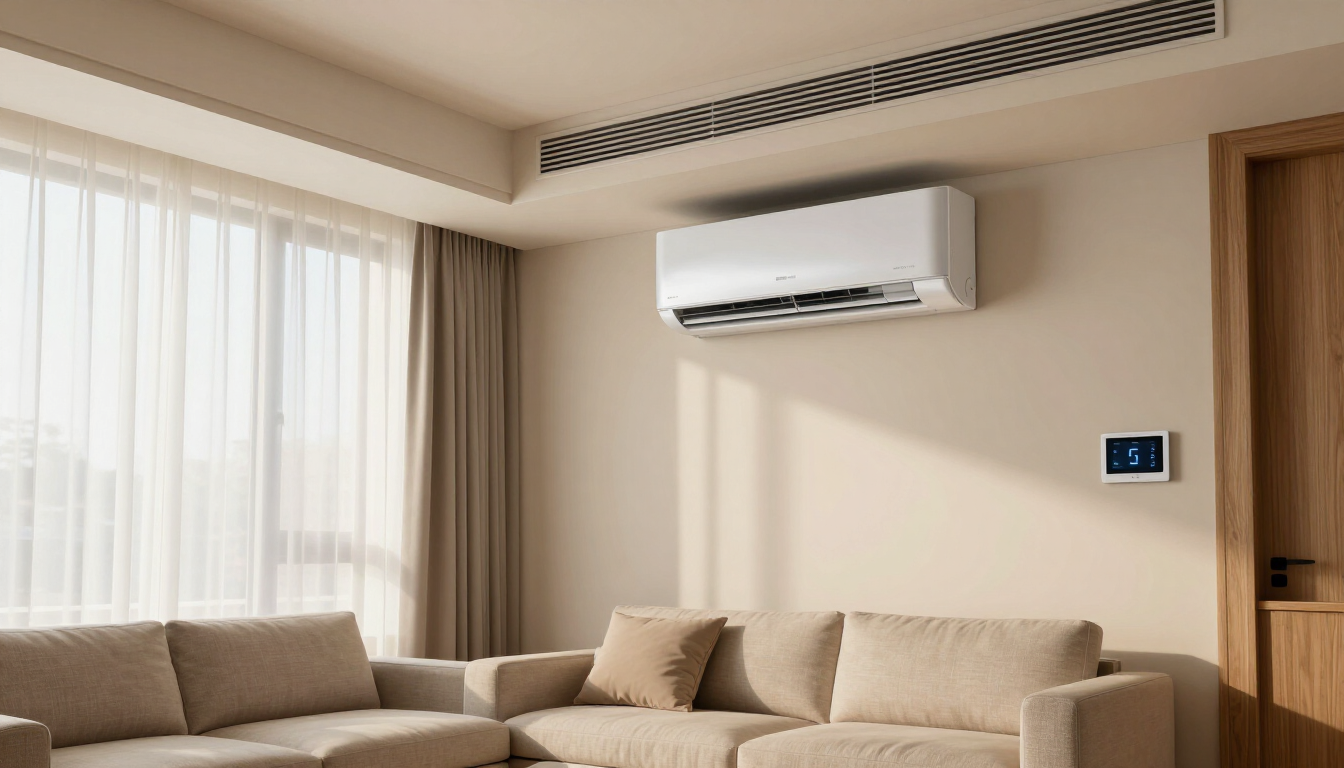
During Morristown's warmer months, air conditioning can help manage both temperature and some indoor moisture. As warm air passes over the system's cold evaporator coil, moisture may condense and drain away.
However, humidity control depends on factors such as equipment sizing, runtime, airflow, system condition, and moisture entering the home.
If your house consistently feels clammy despite cooling, possible causes include:
- An air conditioner that is oversized for the home's cooling load
- Short operating cycles that provide limited dehumidification
- Dirty filters or airflow problems
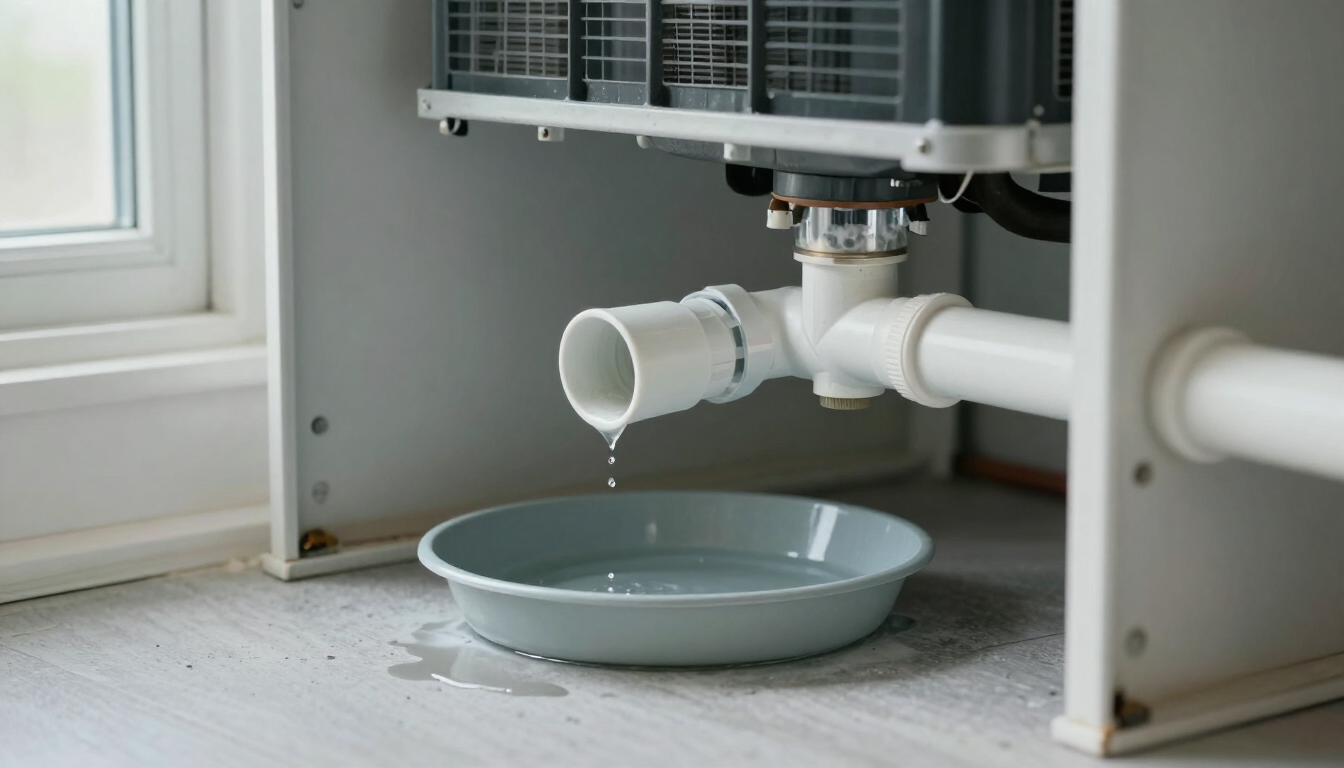
- Drainage issues involving condensate
- Moisture entering through air leaks or other building problems
- Indoor moisture sources that exceed the home's ability to manage them
The thermostat alone cannot identify which issue is responsible. A professional assessment can help determine whether the problem involves the HVAC system or another source of moisture.
2. Excess Moisture Can Contribute to Condensation and Musty Odors
High indoor humidity can create conditions in which moisture collects on cooler surfaces. This may happen on windows, exterior walls, or other areas where surface temperatures fall below the dew point of the surrounding air.
Repeated condensation deserves attention because persistent moisture can damage materials and contribute to conditions that support mold growth.
Warning signs may include:
- Frequent condensation on windows
- Musty odors that persist after cleaning
- Damp areas near exterior walls
- Moisture collecting around certain surfaces
- Visible mold-like growth
These signs do not automatically mean the HVAC system is responsible. Plumbing leaks, roof leaks, inadequate exhaust ventilation, and water intrusion can also cause moisture problems.
If you notice recurring dampness, identify and address the moisture source rather than relying solely on an air conditioner to solve it. Significant or persistent mold and water damage may require an appropriately qualified specialist.
3. Low Humidity Can Also Affect Indoor Comfort
Although high humidity is a common concern during warm weather, indoor air can become dry during the heating season.
When cold outdoor air enters the home and is warmed, its relative humidity decreases unless additional moisture is introduced. This can contribute to dry-feeling indoor conditions.
Some people notice dry skin, irritated nasal passages, or static electricity when indoor air is particularly dry. These symptoms can have multiple causes, so they should not be used alone to diagnose a humidity problem.
If your home feels unusually dry during winter, consider the following:
- Check whether the problem occurs throughout the house or only in certain rooms.
- Review ventilation and air leakage around doors and windows.
- Consider whether heating operation coincides with the change.
- Use a reliable indoor humidity monitor to understand the pattern.
A humidifier may be useful in some homes, but adding moisture without monitoring indoor conditions can create condensation and other problems. Any humidity-control equipment should be selected and maintained appropriately for the home.
4. Your HVAC System Needs the Right Airflow to Manage Moisture
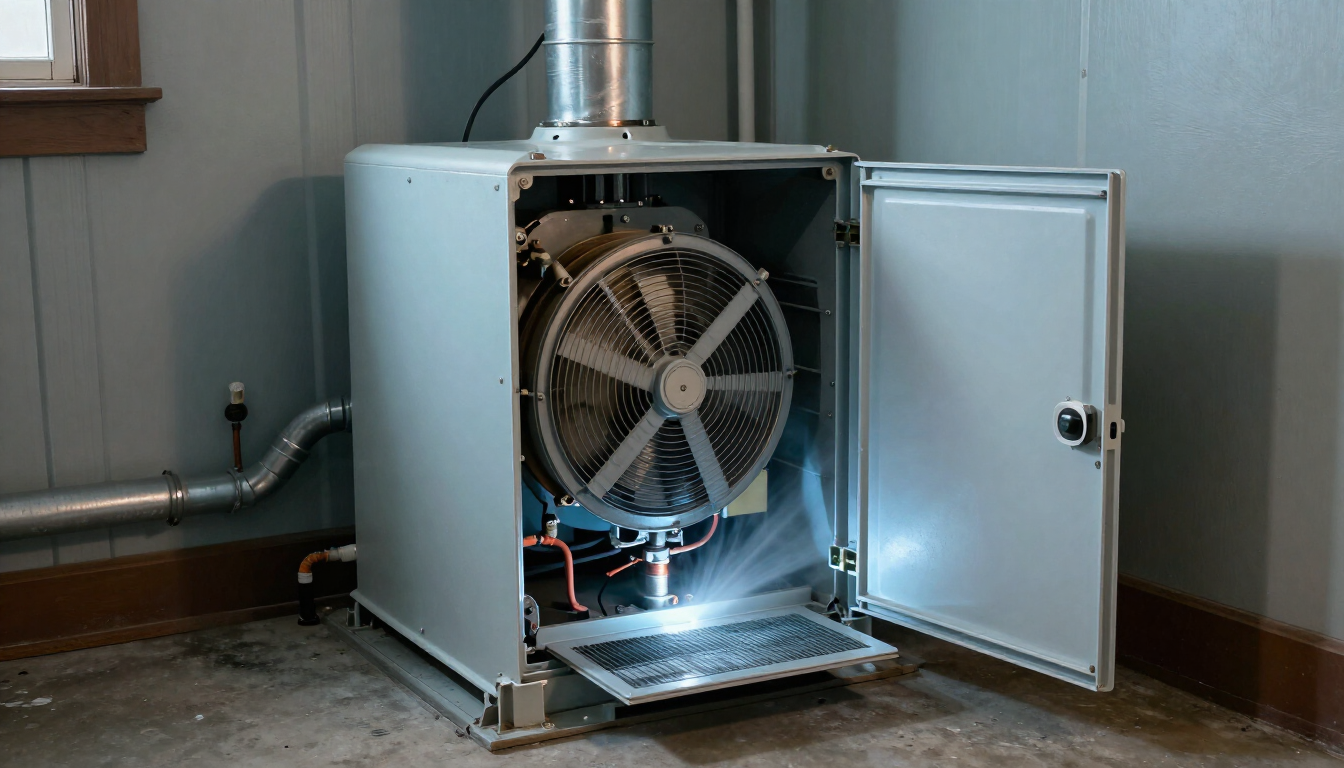
Airflow plays an important role in heating and cooling performance. When airflow is restricted, the system may not operate as intended, potentially affecting comfort and equipment performance.
A dirty air filter is one possible source of restriction. Other causes may include blocked return grilles, obstructed supply vents, ductwork problems, or equipment issues.
Homeowners can begin with a few simple checks:
- Inspect the air filter and replace it when necessary.
- Make sure furniture and other objects do not block vents.
- Keep return-air grilles clear.
- Pay attention to new or unusual sounds.
- Notice whether airflow has changed compared with normal operation.
Avoid closing large numbers of vents to redirect air into other rooms. This can interfere with the system's intended airflow, depending on its design.
If airflow remains weak or your system struggles to maintain comfort, professional HVAC service can help identify the cause.
5. Proper Air Conditioner Sizing Matters
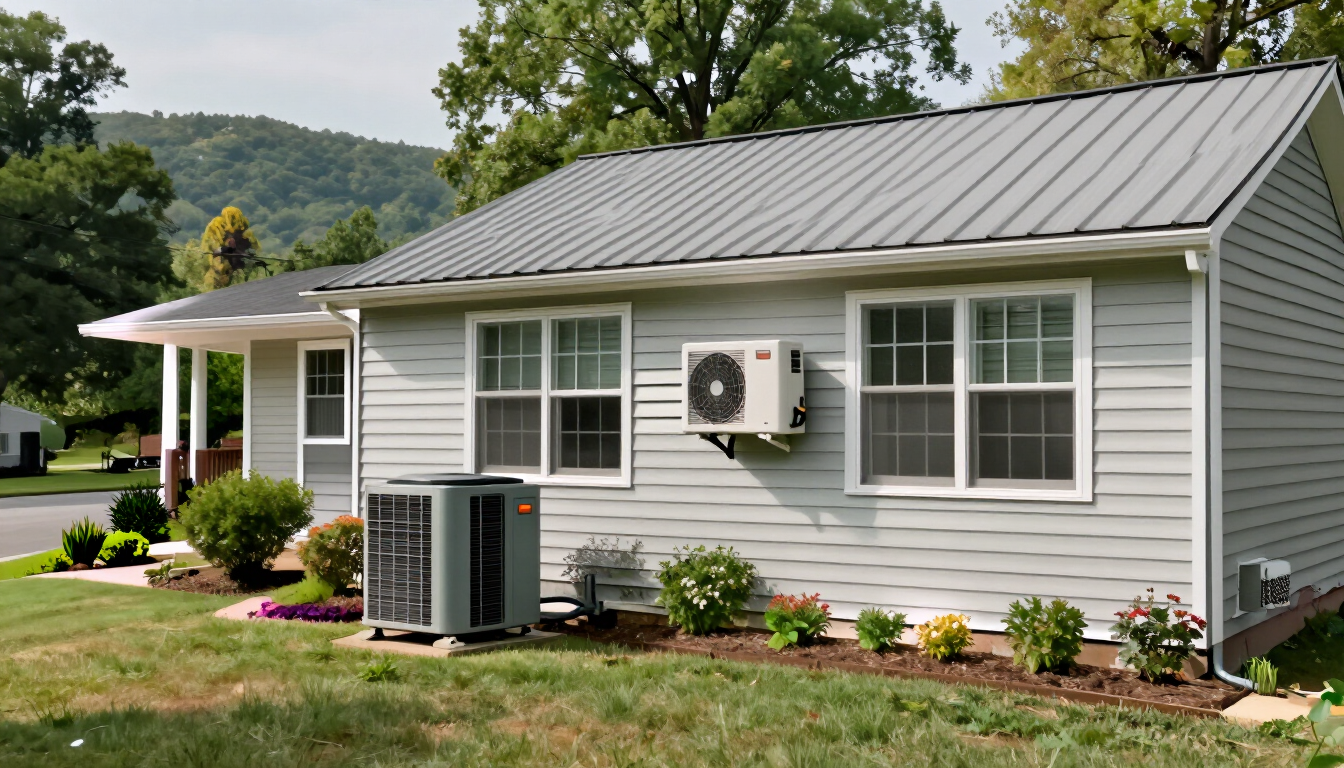
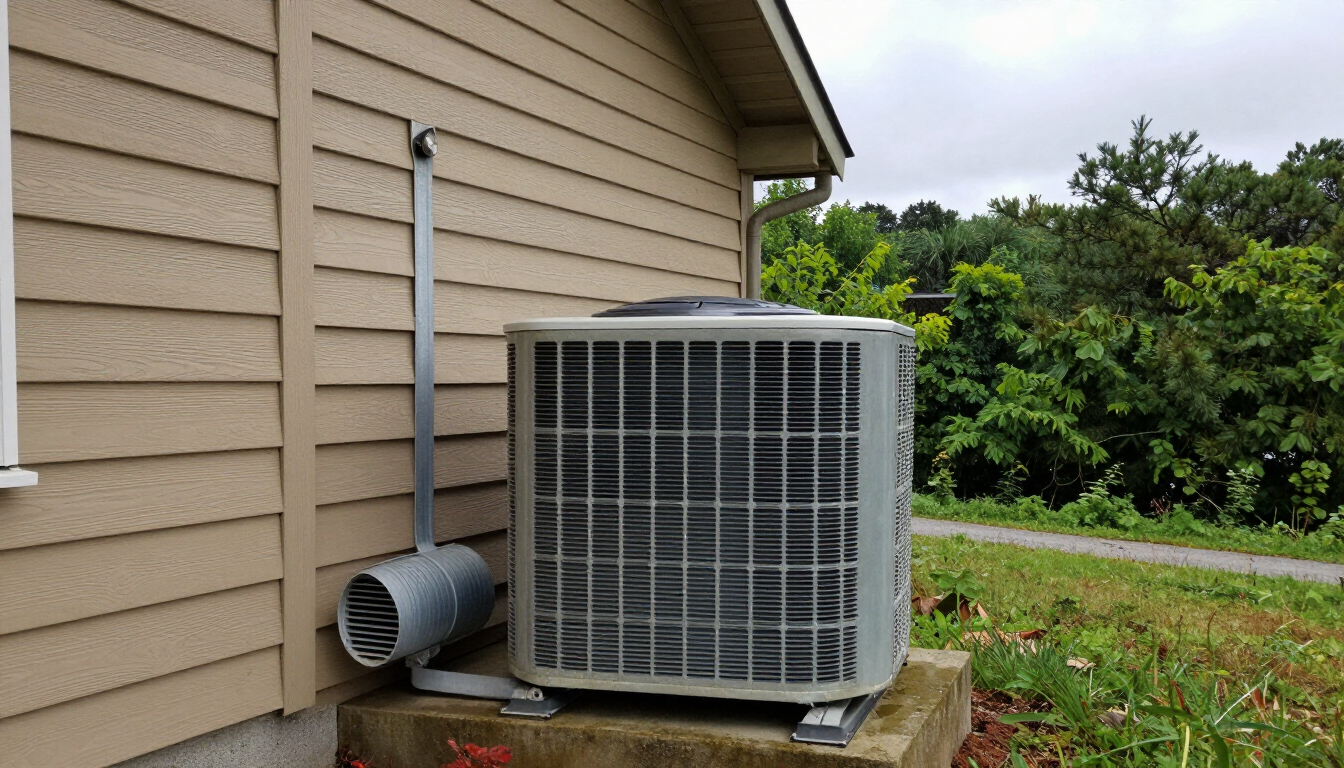
It may seem logical that a larger air conditioner would always provide better comfort. In practice, equipment must be appropriately matched to the home's cooling requirements.
An oversized air conditioner may cool the thermostat area quickly and shut off before running long enough to remove as much moisture as the home needs. This can leave the house cool but still humid.
An undersized system may struggle to meet cooling demand during hot weather. However, equipment sizing is only one possible explanation for comfort issues.
Proper system selection should consider factors such as:
- The home's size and layout
- Insulation and air leakage
- Window area and sun exposure
- Occupancy and internal heat sources
- Local climate conditions
- The home's heating and cooling load
If you're considering replacing an older air conditioner, ask how the contractor determines the appropriate equipment capacity. A load calculation is more useful than choosing a replacement based only on the size of the existing unit.
Correct sizing can help support consistent comfort, but humidity control also depends on installation quality, airflow, system operation, and the moisture entering the home.
6. Ventilation and Exhaust Fans Help Manage Indoor Moisture
HVAC equipment is only one part of indoor moisture management. Everyday activities can introduce substantial amounts of water vapor, particularly in kitchens, bathrooms, and laundry areas.
Ventilation can help remove some of that moisture before it spreads throughout the home.
Useful habits include:
- Running bathroom exhaust fans during showers and for an appropriate period afterward
- Using a range hood that vents outdoors when available and suitable
- Addressing plumbing leaks promptly
- Drying wet surfaces and cleaning up spills
- Ensuring clothes dryers vent properly to the outdoors
- Checking for water intrusion around windows, doors, and roofing
Ventilation strategies should account for local weather and the home's overall design. Bringing large amounts of humid outdoor air inside during hot weather can increase indoor moisture, so ventilation should be appropriate for the conditions.
If humidity remains high despite reasonable household practices, an HVAC professional can help assess whether equipment operation, ventilation, or another factor needs attention.
7. Schedule HVAC Maintenance Before Comfort Problems Grow
Routine maintenance helps keep heating and cooling equipment in suitable operating condition. It also creates an opportunity to identify problems that may affect comfort or moisture management.
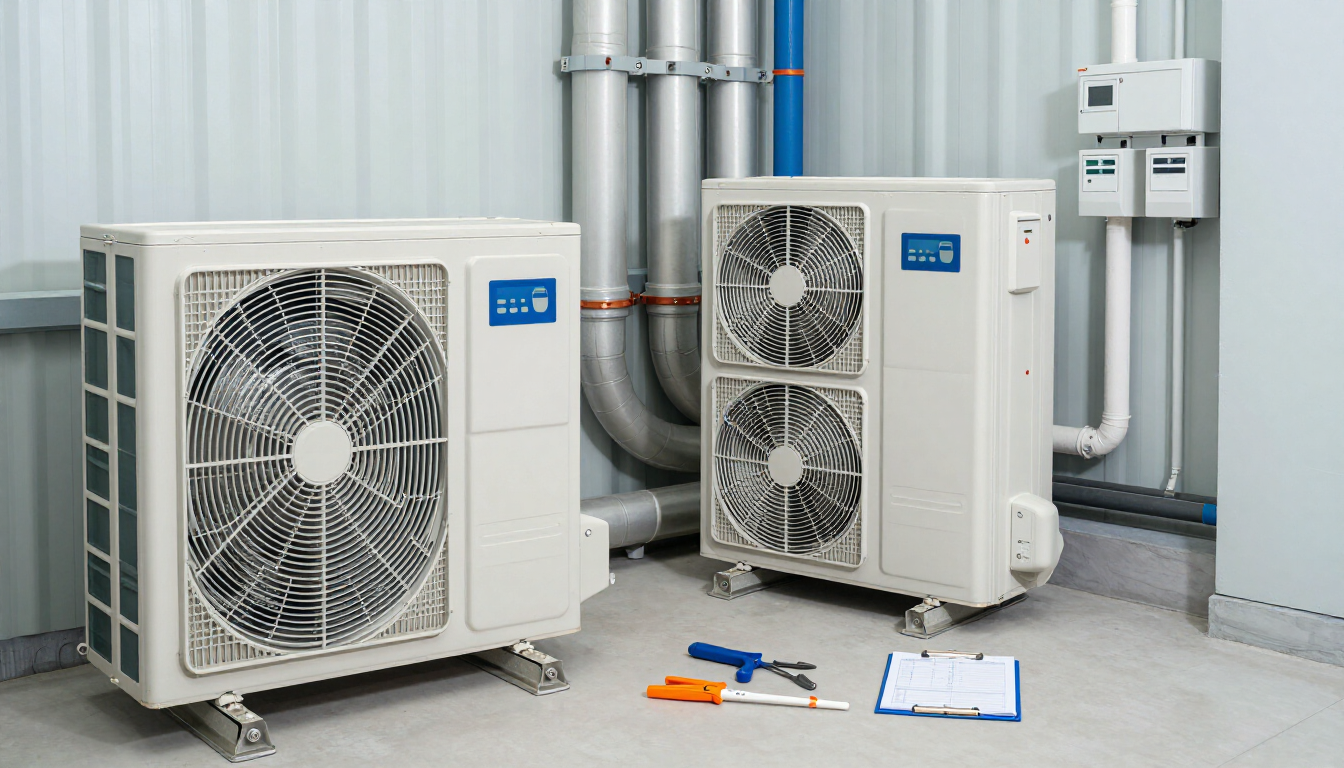
During an appropriate service visit, a technician may evaluate relevant components, inspect the air filter, check system operation, and look for signs of drainage or airflow problems.
Homeowners should also pay attention to changes between visits. A sudden increase in indoor humidity, persistent condensate leaks, unusual system cycling, or a noticeable drop in cooling performance may warrant further evaluation.
Maintenance needs vary depending on the equipment, manufacturer recommendations, household conditions, and system use. Following the equipment's recommended service schedule is a practical starting point.
It's important to remember that maintenance cannot correct every source of high humidity. A roof leak, plumbing issue, or poorly controlled moisture source may require separate repairs.
When to Contact an HVAC Professional
If your home in Morristown feels persistently damp, your air conditioner runs without making the house comfortable, or you notice unusual moisture around HVAC equipment, professional evaluation may be worthwhile.
Consider requesting service when:
- The system struggles to maintain the thermostat setting.
- Indoor humidity remains high despite reasonable moisture-control practices.
- Airflow has noticeably decreased.
- You see water around the indoor HVAC unit or condensate drain.
- Cooling performance changes unexpectedly.
- You suspect the equipment may be improperly sized or operating incorrectly.
If you notice water leaking from the system, follow the manufacturer's safety guidance and contact a qualified technician. If water is near electrical components, avoid the area and seek appropriate assistance.
An inspection can help distinguish between HVAC performance issues and moisture problems that originate elsewhere in the home.
HVAC Services in Morristown, TN
Indoor humidity is an important part of home comfort, particularly when outdoor conditions change throughout the year. High moisture levels can contribute to clammy rooms and condensation, while excessively dry indoor air may also make a home feel less comfortable.
Understanding the relationship between humidity, airflow, ventilation, and HVAC operation can help you recognize when your home needs attention. Simple steps such as maintaining filters, using exhaust fans appropriately, and addressing leaks can support a broader indoor comfort strategy.
Ashton Britt Service Company serves homeowners in Morristown, TN, with HVAC services. If your heating or cooling system is not keeping your home comfortable, consider discussing the symptoms with the team to determine what type of evaluation may be appropriate.
Visit Ashton Britt Service Company to learn more about its services and discuss your home's heating and cooling needs.