Living in East Tennessee means experiencing the full spectrum of four distinct seasons. While our summers are notoriously hot and humid, our winters can be wildly unpredictable. One week in January might offer mild, 50-degree afternoons, and the next week could bring a biting, single-digit deep freeze rolling off the Smoky Mountains.
Because our winter climate is so variable, choosing the right heating system for your home is not a simple, one-size-fits-all decision. When it is time to replace an aging HVAC system, the most common question we receive from homeowners in Knoxville and Morristown is:
"Should I buy a heat pump or a gas furnace?"
Both systems are incredibly effective at keeping your family warm, but they operate using entirely different mechanical principles, utilize different energy sources, and have distinct pros and cons depending on the outdoor temperature.
At
Ashton Britt Service Company, we design custom comfort systems for homes across the region. If you are staring down a major HVAC replacement, here is our professional guide to the battle between heat pumps and gas furnaces.
1. The Mechanics: How Do They Actually Heat?
To make the right choice, you must first understand how these two machines operate.
The Gas Furnace: A gas furnace is a traditional forced-air system that operates on combustion. It burns a fossil fuel—either natural gas or liquid propane—inside a sealed combustion chamber to create a massive, roaring fire. The heat from this fire is transferred to a metal heat exchanger. Your indoor blower motor then pushes air over the hot metal and distributes the blistering heat throughout your ductwork.
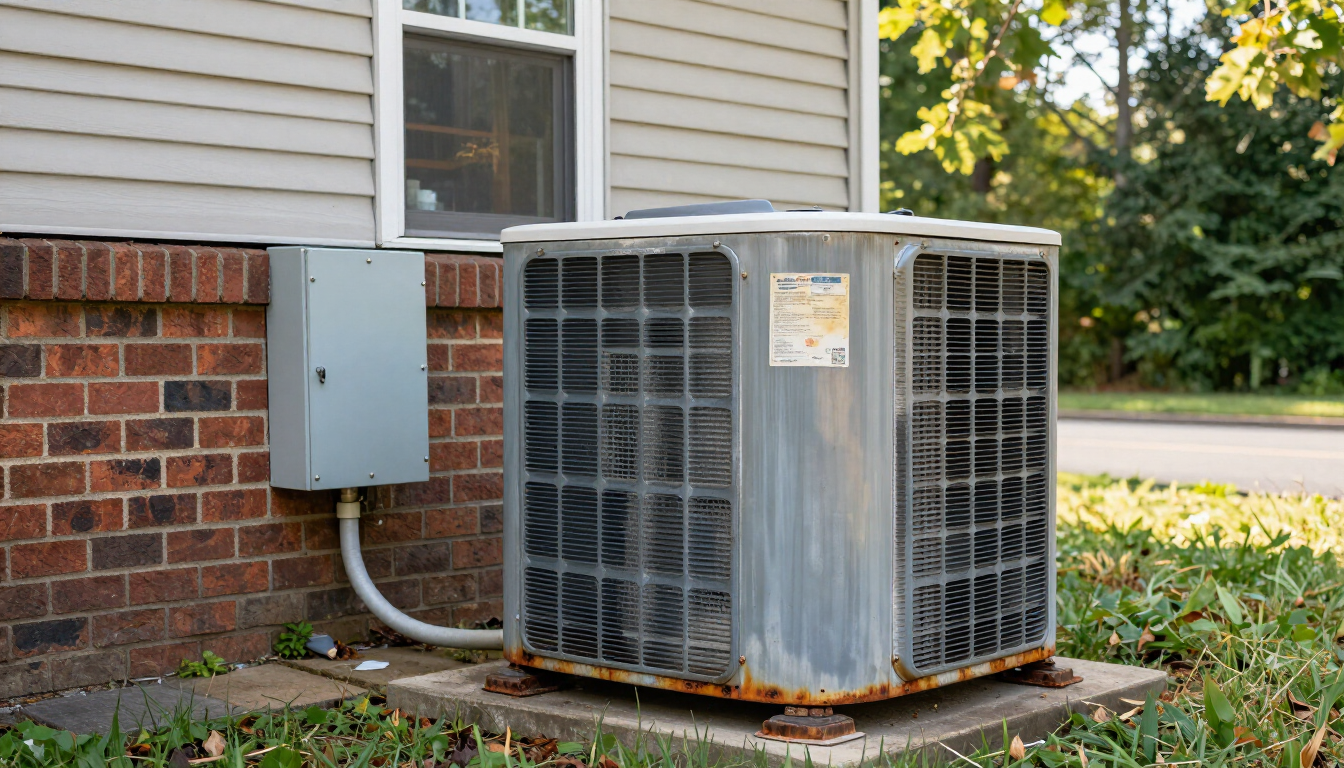
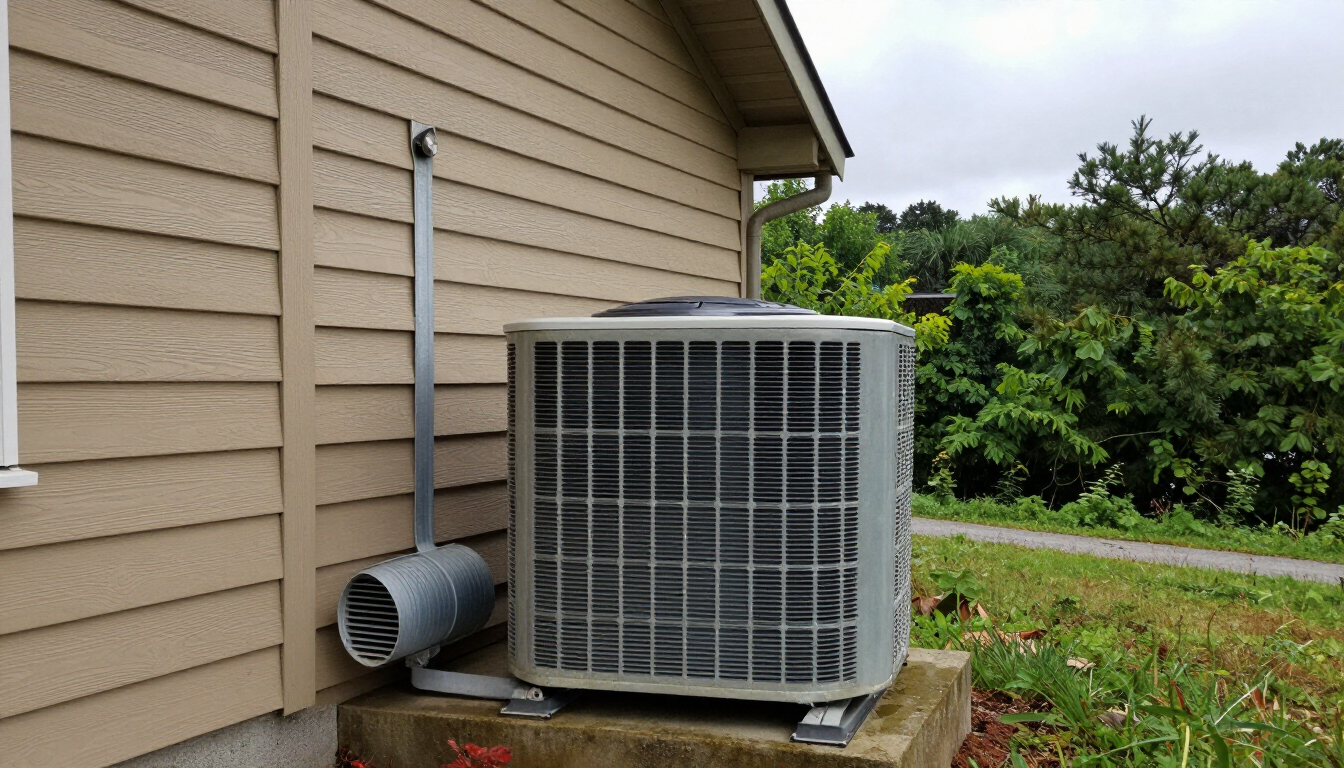
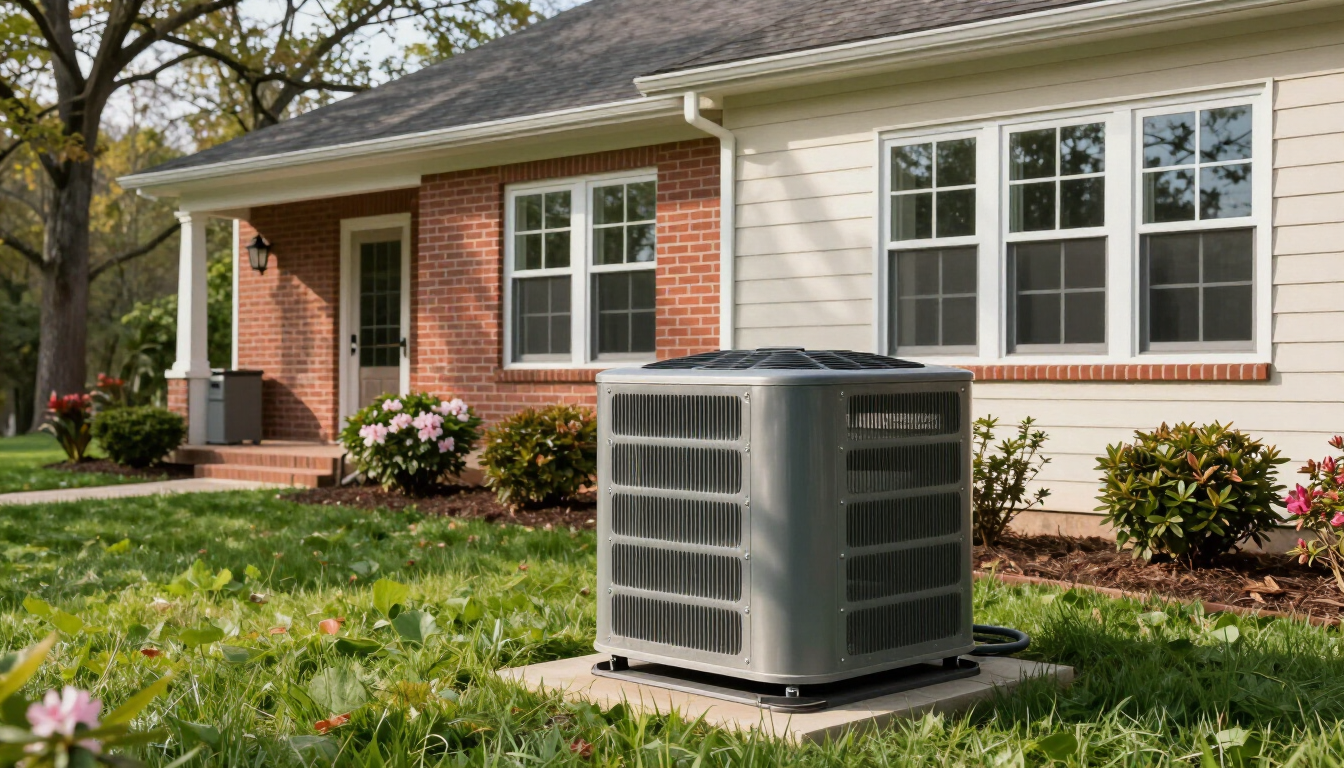
The Heat Pump: A heat pump does not burn fuel, and it does not actually "create" heat. Instead, it runs entirely on electricity and operates like an air conditioner in reverse. Even when it is 40 degrees outside, there is still ambient thermal energy (heat) in the outdoor air. A heat pump utilizes pressurized chemical refrigerant to absorb that microscopic heat from the outside air, compress it to raise its temperature, and physically carry it inside to warm your home.
2. Energy Efficiency and Operating Costs
When it comes to monthly utility bills, the efficiency of your system is paramount.
Because a heat pump is only transferring heat rather than burning fuel to create it, it is staggeringly efficient. Under the right weather conditions, a modern heat pump can produce three units of heat for every one unit of electricity it consumes—making it up to
300% efficient.
By contrast, even the most advanced, ultra-high-efficiency gas furnaces top out at about
98% efficiency (meaning 2% of the heat is lost as exhaust). While natural gas is historically cheap in East Tennessee, a heat pump will generally cost significantly less to operate during the mild fall and early winter months.
3. The "East Tennessee Climate" Factor
If heat pumps are 300% efficient, why doesn't everyone just use a heat pump? The answer lies in the temperature drop.
Heat pumps are the absolute perfect heating solution when the outdoor temperature is between 40 and 60 degrees. However, when an East Tennessee cold snap hits and the temperature plummets below freezing (32 degrees), there is significantly less ambient heat in the air for the pump to absorb. The system has to work drastically harder, causing its efficiency to plummet.
When a heat pump can no longer extract enough heat from the freezing air, it triggers an emergency backup system known as "auxiliary heat" or "heat strips." These are essentially massive electric toaster coils hidden inside your ductwork. While they will keep you warm, they consume massive amounts of raw electricity, which will cause your winter power bill to skyrocket.
A gas furnace, on the other hand, doesn't care what the temperature is outside. Whether it is 40 degrees or 5 degrees below zero, a furnace will effortlessly blast 120-degree air out of your vents, providing a much hotter, cozier heat during deep freezes.
4. The Ultimate Solution: The Dual Fuel (Hybrid) System
What if you want the incredible energy savings of a heat pump during our mild November days, but you also want the heavy-duty, furnace-blasting power for those freezing February nights?
You do not have to choose just one. The ultimate comfort solution for East Tennessee is a
Dual Fuel System.
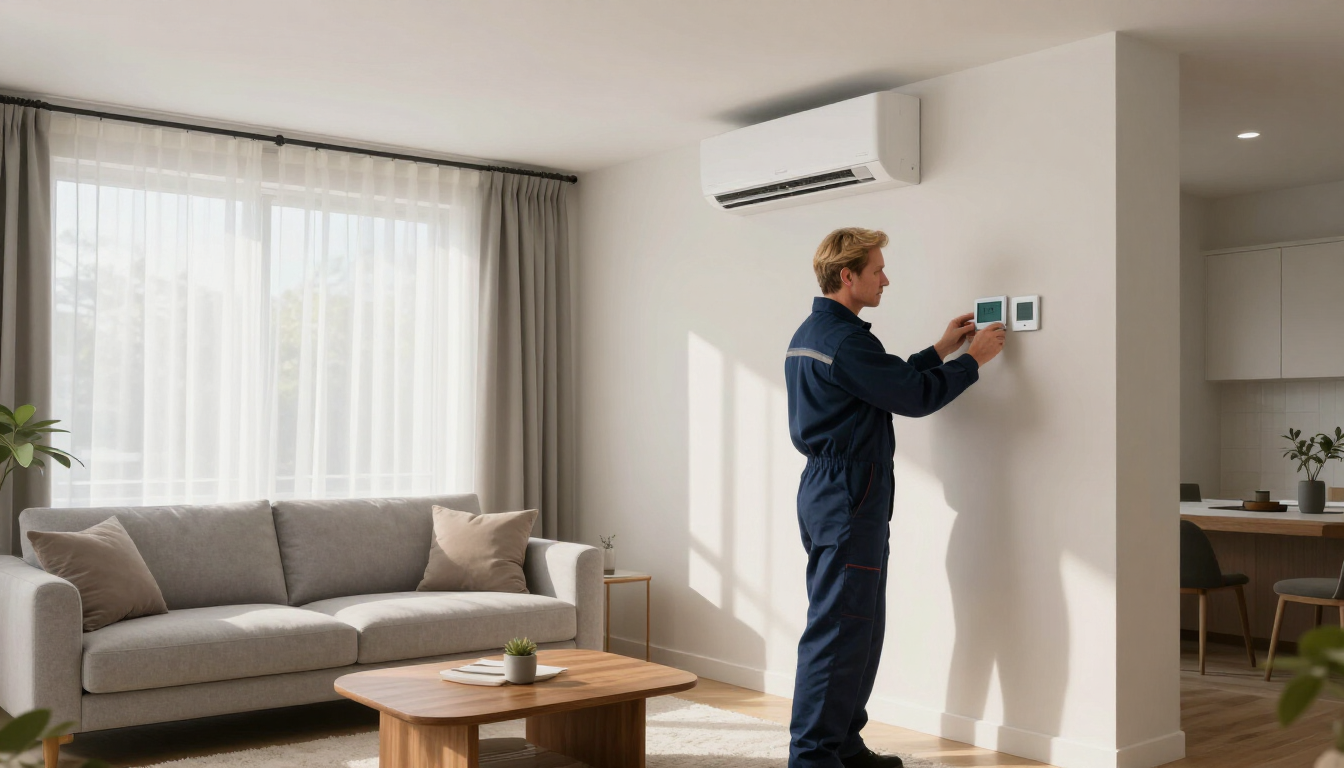
This system pairs a high-efficiency electric heat pump with a powerful gas furnace. A smart thermostat actively monitors the outdoor weather. When the temperature is above 35 degrees, the thermostat relies entirely on the hyper-efficient heat pump to gently warm your home, saving you a fortune on gas. The moment the temperature drops below freezing, the system automatically shuts off the heat pump and ignites the gas furnace, ensuring your home stays incredibly warm without ever relying on expensive electric heat strips.
Design Your Perfect Climate with Ashton Britt Service Company
Choosing between a heat pump, a gas furnace, or a hybrid system is a major financial decision. It requires analyzing your home’s access to natural gas lines, your current electrical panel capacity, and your family's specific comfort preferences.
At
Ashton Britt Service Company, we do not believe in pushy sales tactics or generic solutions. With over 20 years of experience, our highly trained technicians will perform a comprehensive thermal evaluation of your home and clearly present you with the best options to maximize your comfort and lower your utility bills.
We proudly serve homes and businesses across East Tennessee, including:
- Jefferson City, TN
- Morristown, TN
- Rutledge & Rogersville, TN
- Sevierville & Newport, TN
- Knoxville, TN
Don't wait for your aging heating system to fail in the middle of a freezing winter night. Contact
Ashton Britt Service Company today at
(865) 475-0707 or visit our website to schedule your professional HVAC replacement consultation!